DAWEI—Agricultural producers across the Dawei region say they are facing financial ruin as the prices for local staples plummet amid escalating conflict, rising labor costs, and systematic infrastructure destruction.
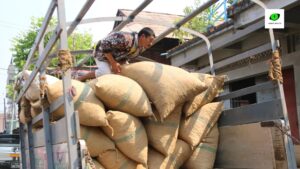
The region’s primary commodities—betel nut, paddy, and rubber—have seen market values crash. Farmers report that the combination of dwindling demand and a spike in production costs has made harvest nearly impossible to sustain.
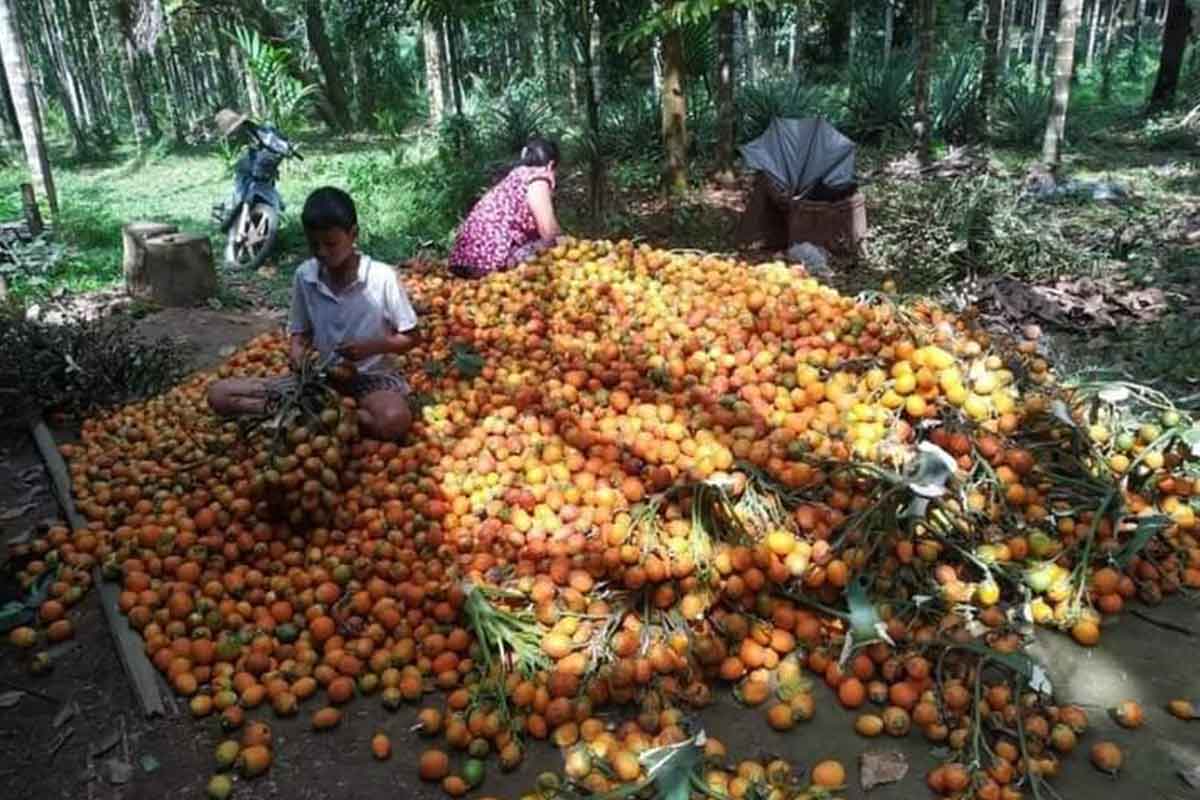
The betel nut sector has been particularly hard hit, with prices for dried nuts falling by more than 50%. Last year, fresh betel nuts fetched 130 MMK each, while dried nuts reached 25,000 MMK per viss (1.6kg). This year, fresh nuts are selling for a mere 50–60 MMK, and dried nuts have dropped to 11,000 MMK per viss.
Paddy and rubber sectors tell a similar story. Coarse paddy, which sold for 15,000 MMK per basket last year, now fetches only 8,000 to 9,000 MMK. In Thayetchaung Township, rubber prices have slipped from 3,100 MMK per pound to 2,500 MMK.
The crisis is exacerbated by the military junta’s scorched-earth tactics. In villages like Saw Phyar, located just ten miles from Dawei, the military has used backhoes to destroy bridges and roads to sever the supply lines of resistance forces.
“The military destroyed our bridges and roads, making everything worse. Buyers simply can’t reach us,” said a female farmer from Saw Phyar. “If a buyer does show up, we have to accept whatever price they offer. Last week, I had to sell rubber sheets for only 2,300 MMK because they claimed the quality was low.”
While income disappears, the cost of survival is rising. Daily labor wages have surged 50% since last year, now reaching 30,000 MMK per day. A local buyer in Thayetchaung confirmed that the trade is “no longer viable” when labor costs exceed the market value of the crop.
Wholesalers point to a “perfect storm” of economic factors: stagnant foreign demand, surplus stock languishing in warehouses, and strict junta-imposed banking restrictions that limit cash withdrawals.
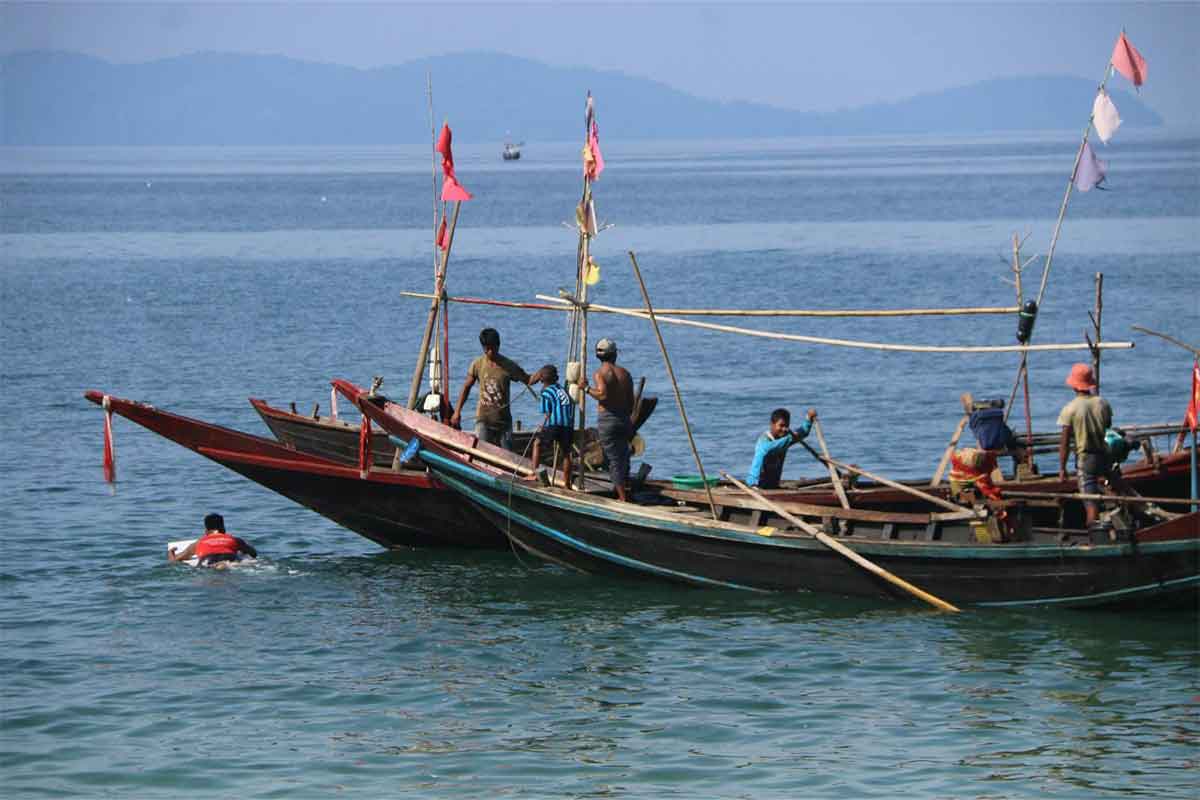
Logistics are also paralyzed. Apart from the Kawthaung maritime route, resistance forces control all major land border crossings into Thailand. Because the junta continues to launch offensives to retake these areas, the borders remain effectively sealed for commercial trade.
“There are no exits; everything is closed,” said a rubber wholesaler in Dawei. “Foreign factories have slashed their orders, buying only what they need for the month. Goods are just piling up in border warehouses.”
For those who still attempt to farm, the physical risks are deadly. Military columns frequently sweep through rural areas, and the presence of landmines in orchards has turned daily work into a gamble with death.
“Farmers are facing nothing but hardships,” said one Dawei local.
“Between the labor shortage, the price collapse, and having to run for our lives whenever a military column enters the village, it is just constant suffering.”