DAWEI — For generations, the people of Tanintharyi believed in a local saying: those who work the sea have “shallow money pits”—meaning wealth was easy to scoop up. Since the military coup, however, that saying has become a bitter memory.
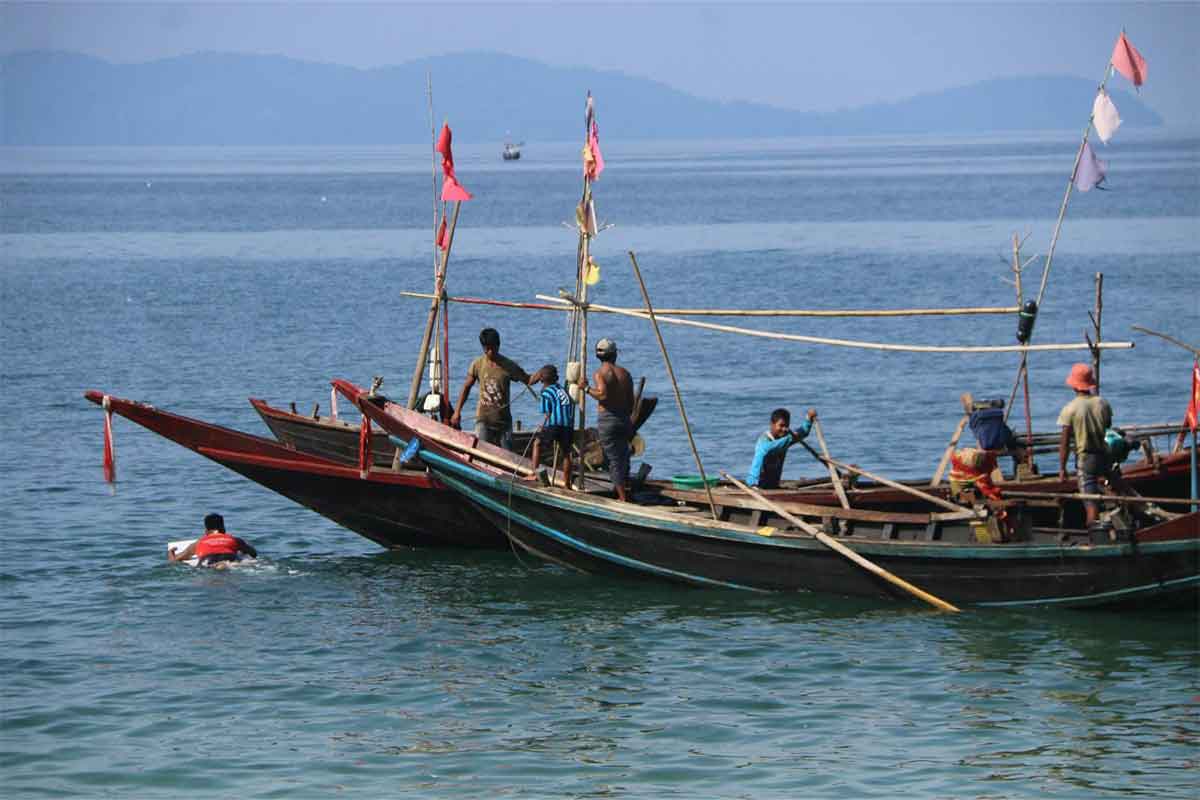
For the region’s inshore fishermen—those operating small boats along the coast—the metaphorical money pit is no longer shallow. It has become deep, dangerous, and increasingly impossible to reach.
“The boats go out as usual, but the catch is inconsistent—some get lucky, others don’t,” said a fisherwoman from Launglon Township. “The real issue is the mismatch between costs and the price of fish. Prices are low while operating costs are high, so we are struggling.”
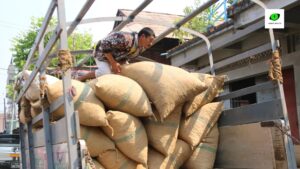
The economic crisis facing these communities is driven by the disruption of trade routes. Fish caught in Tanintharyi waters are typically exported to Thailand via a network of land and water routes. However, intense fighting along the Union Highway has caused severe blockages.
With two of the region’s three border gates now controlled by revolutionary forces and conflict disrupting transport logistics, exports have stalled. The resulting glut of fish in local markets has caused prices to plummet, destroying profit margins for small-scale operators.
Simultaneously, the cost of doing business has skyrocketed. Fuel prices have surged while unregulated fishing by large offshore vessels—unchecked in the post-coup chaos—has depleted fish stocks near the shore.
The fuel crisis has become so acute that some fishermen have abandoned their engines entirely.
“In our area, fuel is scarce and extremely expensive. If the engine breaks, we are done for,” explained a fisherman in his 40s from Kawzar Village, Kyunsu Township. “That’s why lately, we mostly row, enduring the physical strain just to save costs.”
He described the grim reality of subsistence fishing: “Our boats are small, and our gear is limited, so we don’t catch much. Sometimes we get a little more if we set nets at night, but using a motorboat makes fuel the main cost.”
Beyond the economic squeeze, fishermen face life-threatening security risks. The freedom to earn a living has been replaced by threats, extortion, and violence from the military junta.
While night fishing often yields a better catch, fishermen in Kyunsu say they no longer dare to venture out after dark. Junta troops stationed on naval vessels frequently open fire indiscriminately on small boats moving at night.
In Launglon Township, the threat is financial. Boatmen report that they are forced to pay bribes to junta navy vessels just to be allowed to fish. These extortion fees reportedly amount to “tens of lakhs” (millions of kyats) per boat, wiping out potential earnings.
Caught between rising costs and naval intimidation, inshore fishermen are trapped in a cycle of trial and error. They switch gear constantly—from rods to traps—hoping to find a viable way to earn.
Many are now abandoning the sea entirely. Unable to support their families, seasoned fishermen are taking up unskilled land-based labor. However, in an economy already shattered by conflict, jobs are scarce. For those who once scooped wealth from “shallow pits,” the reality today is a struggle just to secure a regular meal.