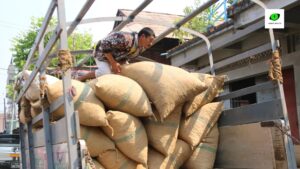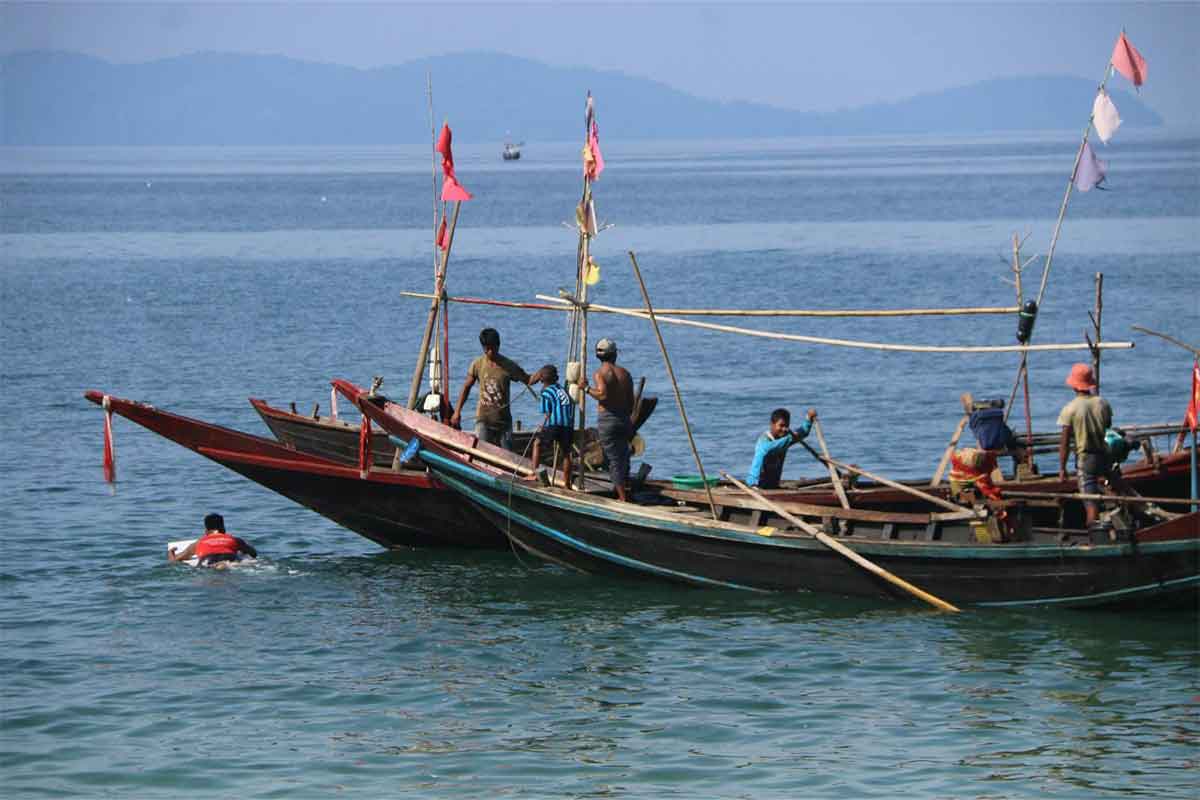
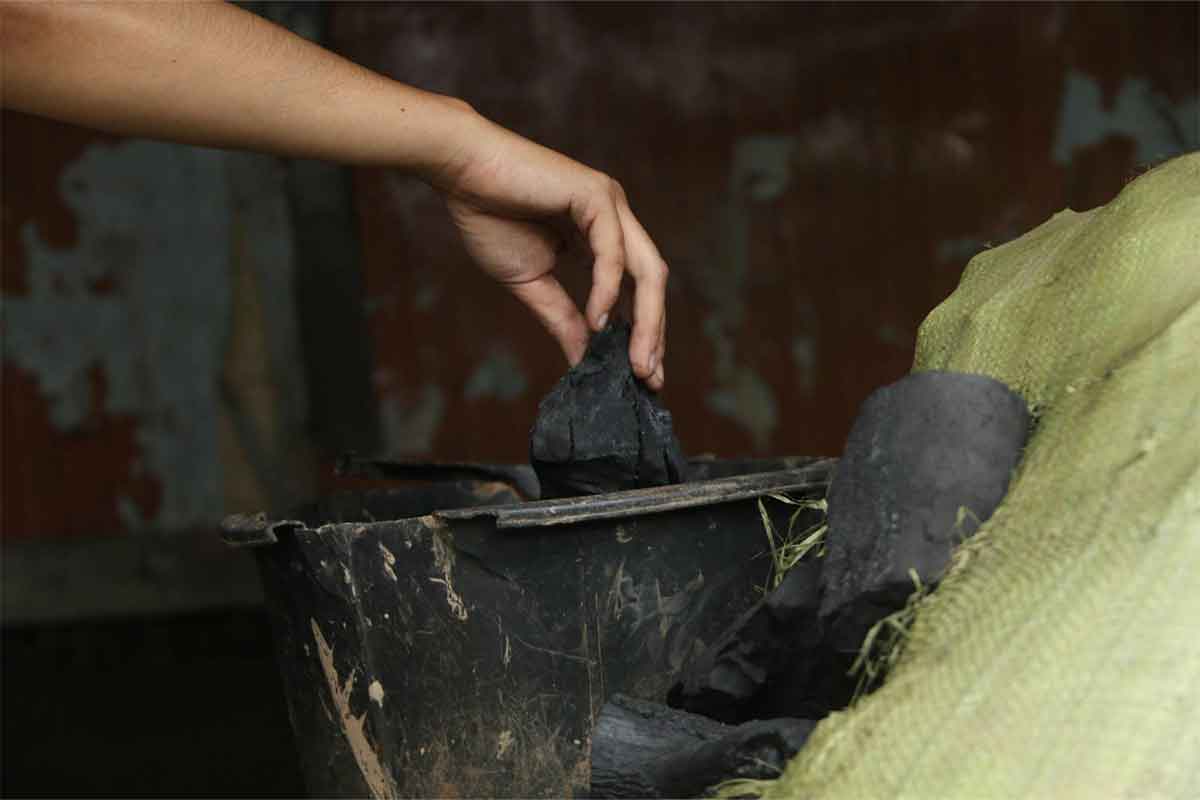
RANONG — Mangrove charcoal imported from Myanmar’s Myeik Archipelago has vanished from markets in Ranong, Southern Thailand, according to members of the local Myanmar community.
The shortage began in early December following a surge in naval inspections linked to the Myanmar military junta’s staggered elections. The Myeik Archipelago, a primary source of high-quality mangrove charcoal, usually supplies Ranong via boat on a near-daily basis to meet the high demand from Thailand’s restaurant sector.
“The charcoal warehouses are completely empty,” said a Dawei native living in Ranong who works closely with boat operators.”Boats from Myanmar simply cannot leave. Between the security checks and the election-related disruptions, the entire transport route is paralyzed.”
Ranong serves as a critical hub for the trade, housing at least ten major warehouses along its ports. Each warehouse typically services approximately ten transport boats. Before the crackdown, these vessels averaged three round trips per month, with a single boat capable of transporting over 350,000 kilograms of charcoal every 30 days.
However, residents noted that these arrivals ceased in early December as the Myanmar Junta Navy intensified sea patrols and arrests.
The scarcity has sent retail prices soaring. A standard 20kg bag of mangrove charcoal, which previously sold for 180 Baht, has jumped to 220 Baht. Even at this inflated price, consumers report that the product is nearly impossible to find.
“I tried to buy charcoal just to grill fish at home, but every shop was sold out,” remarked one Myanmar resident in Ranong. “It is out of stock even at the major wholesalers like Kyon Kyin.”
The impact extends far beyond the border. Distributors from across Thailand, including Bangkok, rely on Ranong’s supply to stock the country’s ubiquitous Mookata (Thai BBQ) restaurants.
The trade freeze is being felt on both sides of the border. While the Myanmar Navy has blocked charcoal exports, Thai authorities in Ranong have simultaneously tightened inspections on vessels transporting consumer goods intended for export back into Myanmar, further complicating bilateral maritime trade.